Poison Ivy Removal in Lancaster, PA
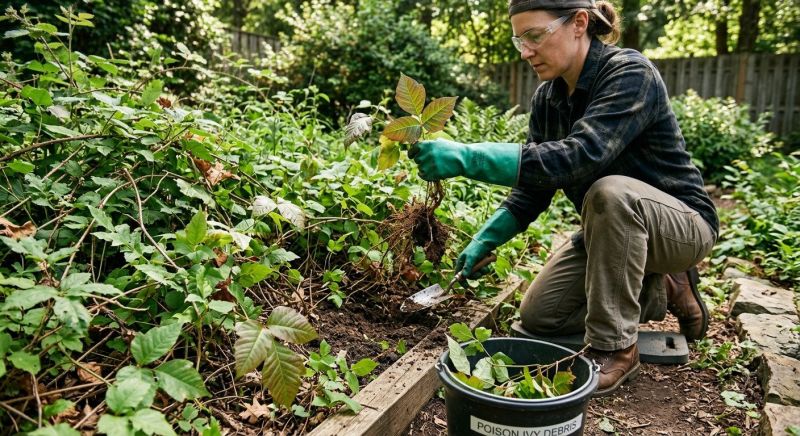
Poison ivy removal services focus on safely and effectively eliminating this invasive plant from residential properties. These projects typically involve identifying and removing poison ivy from lawns, gardens, fences, trees, and other landscape features to prevent further growth and reduce the risk of skin irritation or allergic reactions for homeowners and their families. Property owners often seek this service when they notice poison ivy spreading across their yard or when preparing outdoor spaces for activities like gardening, landscaping, or outdoor gatherings, ensuring the safety and enjoyment of their outdoor environments.
Before requesting poison ivy removal, property owners usually want to understand the scope of the work involved, including whether the removal includes root extraction to prevent regrowth. It’s also helpful to know if the service addresses nearby plants or trees that may be affected or if additional treatments are recommended to prevent future growth. Clarifying these details can help ensure the project meets safety standards and effectively restores the property’s landscape.
Many property owners in Lancaster, PA look into Poison Ivy Removal for repairs, replacements, upgrades, and appearance-related improvements.
Understanding Poison Ivy Risks
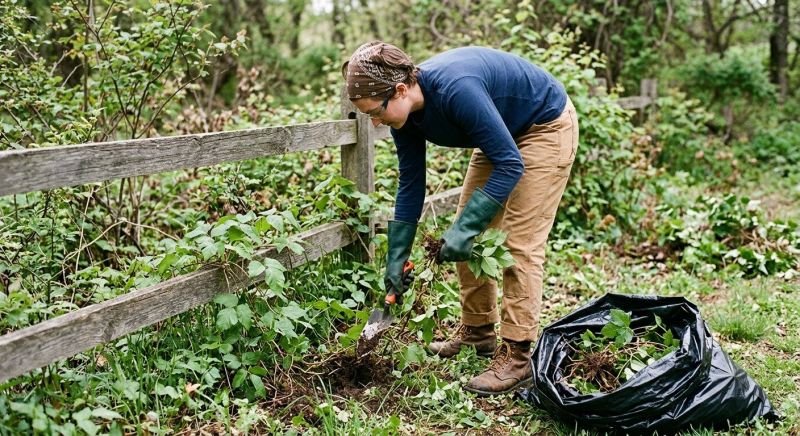
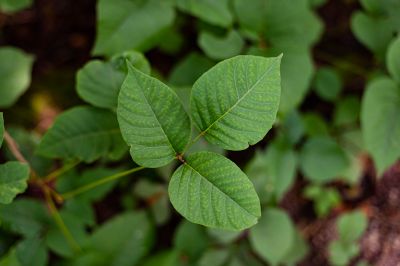
Poison ivy can cause skin irritation and allergic reactions if not properly removed.
Common Removal Methods
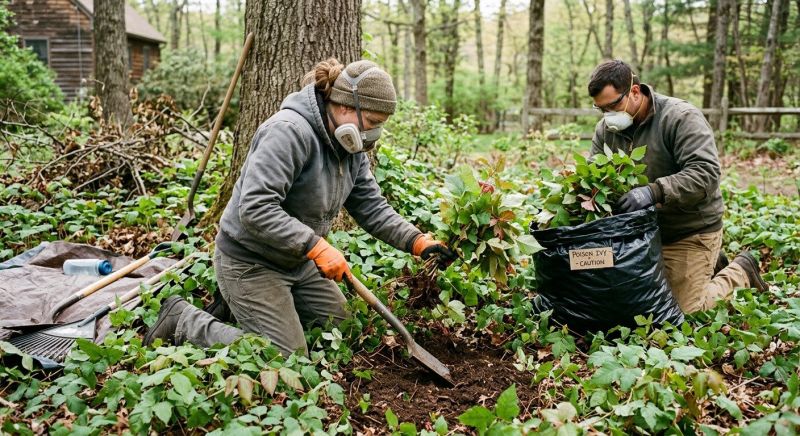
Effective removal may involve manual clearing, herbicide application, or a combination of techniques.
Property Maintenance Tips
Regular inspections and prompt removal help prevent poison ivy from spreading on residential and commercial properties in lancaster.
Poison Ivy Removal in Lancaster, PA
Poison ivy removal services focus on safely and effectively eliminating this invasive plant from residential properties. These projects typically involve identifying and removing poison ivy from lawns, gardens, fences, trees, and other landscape features to prevent further growth and reduce the risk of skin irritation or allergic reactions for homeowners and their families. Property owners often seek this service when they notice poison ivy spreading across their yard or when preparing outdoor spaces for activities like gardening, landscaping, or outdoor gatherings, ensuring the safety and enjoyment of their outdoor environments.
Before requesting poison ivy removal, property owners usually want to understand the scope of the work involved, including whether the removal includes root extraction to prevent regrowth. It’s also helpful to know if the service addresses nearby plants or trees that may be affected or if additional treatments are recommended to prevent future growth. Clarifying these details can help ensure the project meets safety standards and effectively restores the property’s landscape.
Many property owners in Lancaster, PA look into Poison Ivy Removal for repairs, replacements, upgrades, and appearance-related improvements.
Common Poison Ivy Removal Jobs
Poison Ivy Removal - safely eliminates toxic plants from yards and landscapes.
Yard Clearing - removes poison ivy from lawns, gardens, and wooded areas.
Property Maintenance - prevents regrowth by clearing invasive poison ivy plants.
Vegetation Control - manages and removes hazardous plants for safety and appearance.
Landscaping Services - integrates poison ivy removal into overall yard and garden care.
Hazardous Plant Removal - addresses dangerous plants that pose health risks to residents.
Poison Ivy Removal Questions
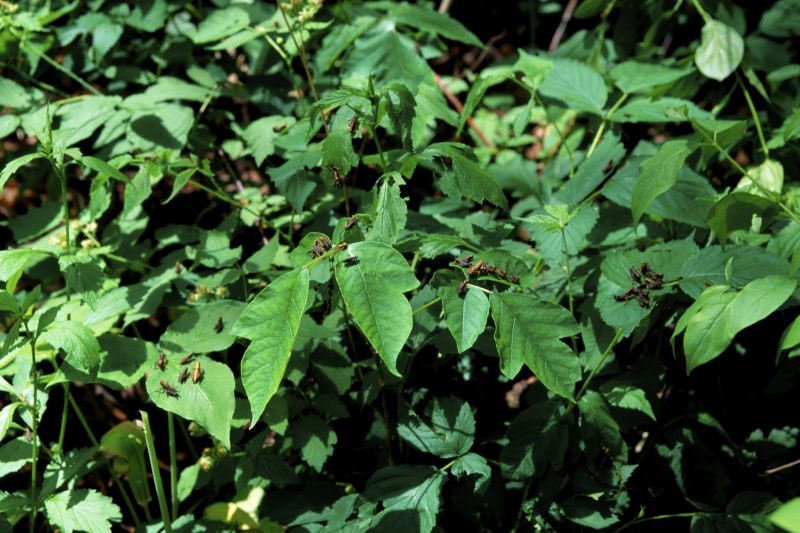
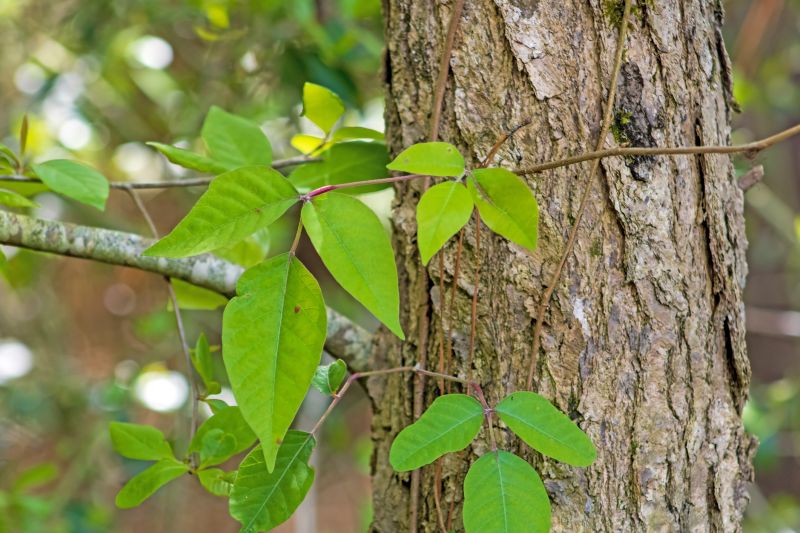
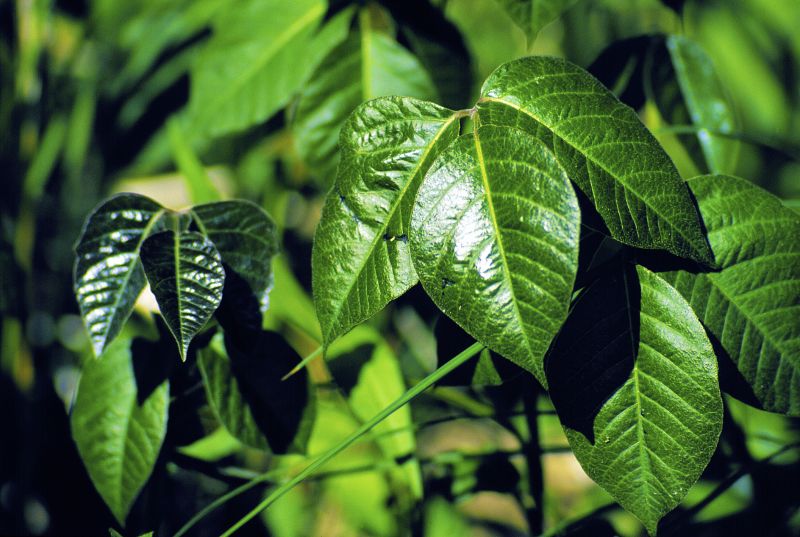
What are the signs of poison ivy on a property? Common signs include clusters of three leaflets with a shiny surface and reddish stems, often found on trees, fences, or ground cover.
Is professional removal necessary for poison ivy? Yes, professional removal ensures safe and thorough elimination, reducing the risk of skin irritation and regrowth.
How can property owners prevent poison ivy from spreading? Regularly inspecting the landscape, removing plants early, and maintaining a clear perimeter can help prevent spread.
What areas are most prone to poison ivy growth? Poison ivy typically grows in shaded, moist areas such as wooded edges, fence lines, and along trails or pathways.
Request Poison Ivy Removal in Lancaster, PA
Use the quote form on this page to share the basics of your project and request more information for the type of work you need.